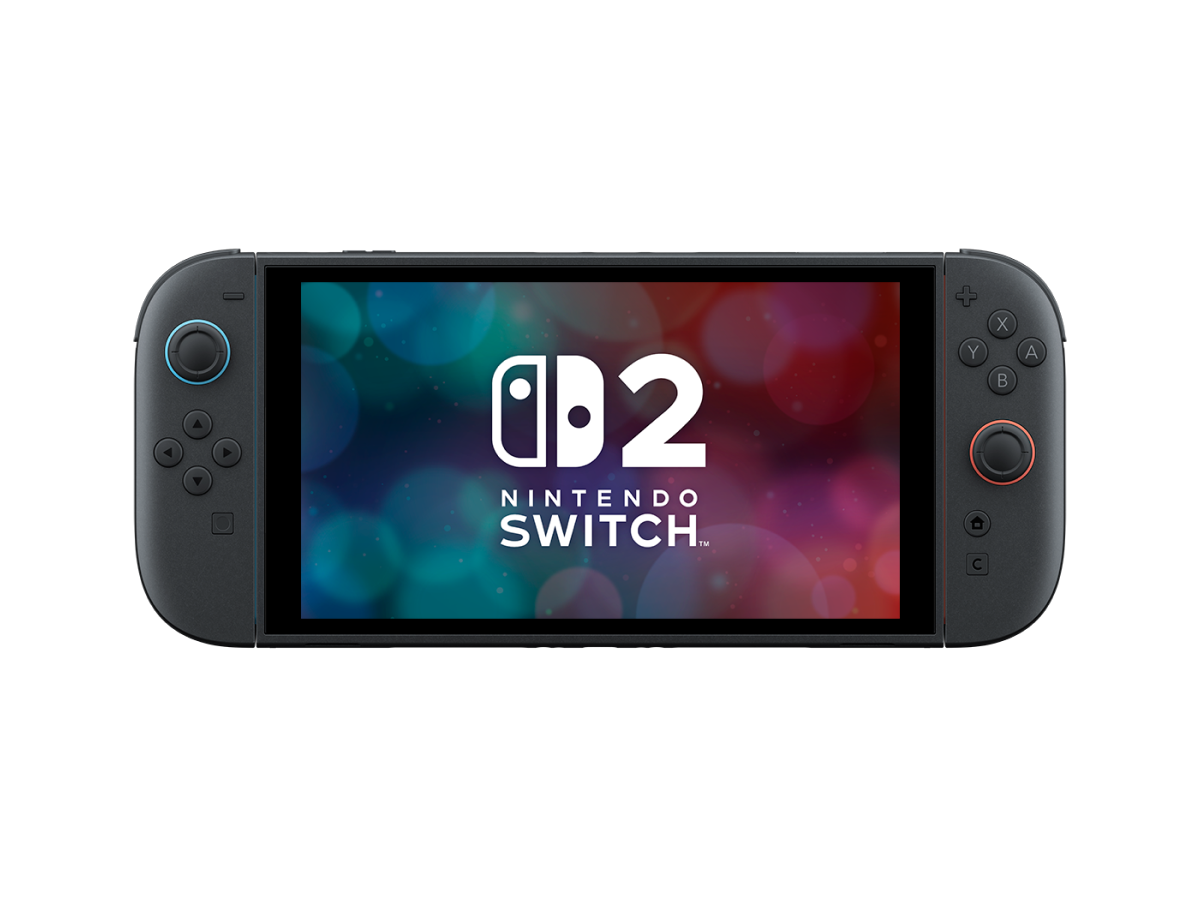
Switch 2 After One Year: Worth Buying Now?
123 views
A lot of people skipped buying the Nintendo Switch 2 at launch. The reasons were familiar: limited stock, launch-day bugs, uncertainty about the game lineup, and that nagging feeling that early adopters always end up paying the "beta tester tax."
Now it's been about a year.
Prices have settled in many regions. More games have arrived. Software updates have ironed out rough edges. The question has changed from "Should I buy it on day one?" to something far more practical:
Is the Switch 2 finally worth your money?
I've spent enough time with Nintendo hardware to know that the launch experience rarely tells the whole story. Some consoles improve dramatically after their first year. Others don't. The Switch 2 lands somewhere in the middle, and that actually makes the buying decision more interesting.
The biggest difference isn't the hardware
People naturally focus on specs. Better processor. Sharper display. Faster storage.
Nice improvements, sure.
What surprised me more was how different the entire experience feels after months of software updates.
The original launch software occasionally felt unfinished. Menus weren't always as snappy as expected, battery optimization continued to evolve, and developers were still learning the new hardware.
Fast-forward a year and many of those little frustrations have faded into the background.
Games launch faster.
Downloads are more stable.
The operating system feels polished rather than rushed.
None of those changes make flashy headlines, but they're the sort of improvements you notice every single day.
Performance finally matches expectations
Nintendo has never tried to win the hardware race against Sony or Microsoft.
That's still true.
Instead, the Switch 2 focuses on efficient performance that works well in both handheld and docked modes.
Compared with the original Switch, you'll notice:
Higher and more consistent frame rates in many first-party titles
Shorter loading times
Better image quality on modern televisions
Improved performance in demanding third-party games
It's not perfect.
A handful of ambitious releases still show occasional frame drops, especially during large open-world scenes. That isn't unique to Nintendo—virtually every gaming platform has examples—but it's worth knowing before expecting flawless performance across every title.
The game library finally feels complete
This is probably the strongest argument for buying now.
Console launches almost always suffer from the same problem:
Great hardware.
Not enough reasons to own it.
That changes over time.
A year later, the Switch 2 has accumulated a healthier mix of exclusives, enhanced versions of older favorites, indie hits, family games, and major third-party releases.
That variety matters.
Maybe you're buying it for Mario.
Your kids might spend more time with Animal Crossing.
Someone else in the house only wants racing games.
A broader library means the console spends less time collecting dust.
I've seen this happen countless times with previous Nintendo systems. Six months after launch, people ask what games they should buy. A year later, they're asking how they'll find enough time to play everything.
That's a much better problem.
Backward compatibility makes the purchase easier
One feature doesn't get enough credit.
If you already own Switch games, there's a good chance many of them remain playable on the newer hardware.
That changes the value equation immediately.
Instead of starting from zero, you're bringing an existing library with you.
Even older titles often benefit from improved loading speeds or steadier performance without requiring major changes from the player.
There's also a psychological benefit.
Buying a new console feels less risky when your favorite games don't suddenly become obsolete.
Handheld gaming feels noticeably better
I didn't expect handheld mode to become my preferred way to play.
It happened anyway.
Part of that comes from the display improvements.
Part comes from better processing efficiency.
Part simply comes from convenience.
The funny thing about portable gaming is that tiny annoyances add up. Waiting thirty extra seconds for loading screens doesn't sound like much until you're squeezing in twenty minutes during lunch or while waiting for someone in the car.
Small improvements become meaningful surprisingly fast.
Who should buy it right now?
The answer depends less on the console than on you.
Buy it if...
You skipped launch and waited for a stronger game library.
You mainly play Nintendo exclusives.
Your original Switch is showing its age.
Faster loading and smoother gameplay matter to you.
You travel often or regularly play in handheld mode.
Simple enough.
You might want to wait if...
A few situations still make sense for holding off.
If you're perfectly happy with your original Switch and mostly play older titles, the upgrade may not feel dramatic enough.
Budget matters too.
Games, accessories, online subscriptions, and storage upgrades can quietly increase the total cost well beyond the console itself.
I've watched friends budget only for the hardware, then realize they needed another memory card, an extra controller, and two games before anyone else in the family could join in.
It adds up faster than expected.
The hidden costs nobody talks about
The sticker price rarely tells the whole story.
Think about everything surrounding the console.
Extra storage if you download lots of digital games.
A second controller for multiplayer nights.
That's before considering carrying cases, screen protectors, online memberships, or additional docks.
None of these purchases are mandatory.
Most people end up buying several of them anyway.
Planning for those costs ahead of time avoids the unpleasant surprise later.
How it compares with keeping your original Switch
This isn't as one-sided as internet debates make it sound.
The original Switch still plays an enormous catalog of excellent games.
If your gaming habits look like this—
Mostly indie games
Classic Nintendo titles
Casual weekend sessions
—you may not feel pressured to upgrade immediately.
But players who frequently buy newer releases will probably notice the improvements much sooner.
Performance expectations change over time.
Developers naturally begin optimizing future games around newer hardware, not older systems.
That's the normal life cycle of every console generation.
The good...and the small annoyances
No console is perfect.
The Switch 2 isn't either.
A few quirks remain.
Accessory compatibility occasionally causes confusion, especially if you're mixing older hardware with newer accessories.
Storage management still requires some planning if you prefer digital purchases.
Battery life, while improved in many situations, still depends heavily on the type of game you're playing. Lightweight indie games can last much longer than visually demanding adventures.
None of these issues ruined the experience for me.
They're simply things you'll notice after living with the console instead of reading a spec sheet.
Should first-time Nintendo buyers choose Switch 2?
Absolutely.
If you've never owned a Switch before, there's very little reason to hunt down older hardware unless price is your only concern.
You'll start with the newest ecosystem.
You'll receive future software support.
Developers are increasingly focusing their attention on the newer platform.
That's usually the smarter long-term investment.
Is it future-proof?
Nothing in gaming stays future-proof forever.
Technology moves too quickly.
Still, buying a console roughly one year into its life cycle has historically been a comfortable middle ground.
Launch issues are mostly resolved.
Developers understand the hardware better.
The game library becomes significantly stronger.
There's also plenty of lifespan remaining before the next generation enters the conversation.
For many buyers, that's actually the sweet spot.
Buying tips before you check out
Don't rush just because the console is finally mature.
Instead, ask yourself three simple questions:
Which games do I actually want to play this year?
Will I mostly play handheld or docked?
Am I budgeting for games and accessories, not just the console?
Answer those honestly, and the decision usually becomes obvious.
Impulse purchases rarely age well.
Thoughtful ones usually do.
Frequently Asked Questions
Is the Switch 2 worth upgrading from the original Switch?
If you regularly buy new releases or want better performance, yes. Casual players who mainly revisit older favorites may find the original system perfectly adequate for a while longer.
Has the game library improved enough after one year?
Yes. One of the biggest advantages of waiting has been the larger selection of first-party titles, third-party games, and indie releases compared with launch.
Does backward compatibility make a difference?
For many owners, it's one of the best reasons to upgrade. Keeping access to an existing game library makes moving to new hardware much easier and more cost-effective.
Is handheld mode better than on the original Switch?
For many players, yes. Improvements in display quality, responsiveness, and loading times make portable gaming feel more polished, especially during shorter play sessions.
Should I wait for a hardware revision?
There's always a chance that refreshed models appear later in a console's life. If you're constantly waiting for the next version, though, you'll never actually enjoy the current one. Buy when the available games justify the purchase for you.
Conclusion
The Switch 2 feels much more confident after a year than it did at launch. The software has matured, the game library has expanded, and the overall experience is smoother in dozens of small ways that matter more than flashy specifications.
If you've been sitting on the fence, this is a sensible time to jump in. Just don't buy it because it's new—buy it because the games you want to play are finally waiting for you. That's usually the sign you've picked the right moment.
switch 2 review 2026
switch 2 worth buying
nintendo switch 2 games
switch 2 performance
switch 2 buyers guide
Found this helpful? Share it!